

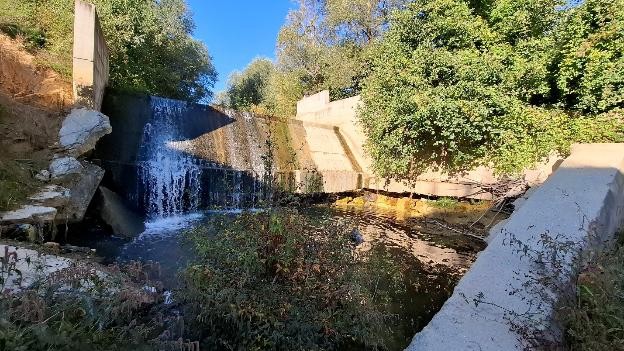
The study assessing the ecological impact of the Kotradiq Dam on the Lumbardhi i Deçanit River is currently approaching completion. Preliminary results reveal that the upstream section of the river still supports a range of ecologically important taxa, including several endemic and locally restricted aquatic insect species such as Rhyacophila siparantum and Tinodes lumbardhi.

These species are strongly associated with cold, fast-flowing, oxygen-rich mountain streams, and their presence is an indicator of high habitat quality. However, their natural distribution and ecological connectivity appear to be disrupted by the dam infrastructure, which alters the flow regime, sediment transport, and longitudinal continuity of the river. This disruption is further compounded by additional anthropogenic stressors in the catchment, including pollution, habitat modification, and increased human disturbance.
In addition to aquatic insects, the broader riverine ecosystem and adjacent terrestrial habitats host several other taxonomic groups that may also be affected. These include fish communities that rely on unfragmented river corridors, as well as terrestrial fauna such as birds, reptiles, spiders, and amphibians in the riparian zone. The emerging evidence underscores the ecological significance of the upper Lumbardhi i Deçanit River and highlights the need for mitigation strategies and conservation measures to safeguard its unique biodiversity and maintain ecological integrity in the face of ongoing human pressures.
These data, within the Environmental Report, form an integral part of the project “Reviving Lumëbardhi: The Kotradiq Dam Removal Initiative,” supported by the Open Rivers Programme and implemented by ECOPANA.
